CAF · Africa
South Africa
Bafana Bafana — The Pride of Africa
Bafana Bafana made history as the first African nation to host the FIFA World Cup in 2010 — a tournament that brought the entire continent together and showed the world the passion, colour, and spirit of South African football. With the vuvuzela as their soundtrack, South Africa introduced the world to football in Africa.

🎸Hey, I am Ace!
Hey, I am Ace! South Africa made history in 2010 as the first African nation ever to host the FIFA World Cup. The vuvuzelas filled every stadium, the whole continent united behind Bafana Bafana, and the world discovered the incredible energy of African football. South Africa also won the Africa Cup of Nations in 1996 — in their very first tournament after the end of apartheid!
Quick Facts
First South African Club
Kaizer Chiefs — founded 1970
SAFA Founded
1991 — South African Football Association
DStv Premiership Founded
1992 — top professional league
Registered Male Players
Approximately 680,000
Registered Female Players
Approximately 52,000
Professional Clubs
16 clubs in the top division
Discover South Africa
South Africa is a country at the southern tip of the African continent, bordered by Namibia, Botswana, Zimbabwe, Mozambique, and Eswatini, and completely surrounding the small kingdom of Lesotho. It is one of the most geographically diverse countries in the world — from the semi-desert Karoo plateau to the fertile Cape Winelands, the iconic flat-topped Table Mountain in Cape Town, the sweeping beaches of the Garden Route, the subtropical forests of KwaZulu-Natal, and the world-famous Kruger National Park, home to lions, elephants, leopards, buffalo, and rhinos.
South Africa is the most industrialised economy in Africa and a major global producer of gold, platinum, diamonds, and chromium. Cape Town and Johannesburg are two of Africa's most cosmopolitan and exciting cities. The country is sometimes called the "Rainbow Nation" — a term coined by Archbishop Desmond Tutu to describe the new South Africa after the end of apartheid in the early 1990s. Nelson Mandela's journey from prisoner to president is one of history's most extraordinary stories of resilience and forgiveness.
With a population of around 60 million people, South Africa has 11 official languages — more than almost any other country on Earth. In 2010, South Africa became the first African nation to host the FIFA World Cup — an event that brought the entire continent together in a celebration of football and continental pride. The tournament introduced the world to the vuvuzela and the spirit of South African football culture.
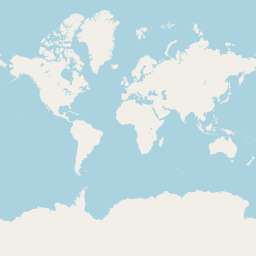
Map of South Africa

🌍 Where in the World
Flag of South Africa
South Africa's flag — adopted in 1994 to mark the end of apartheid — is one of the world's most distinctive. It features a green Y-shape (the "plow") dividing the flag into sections of red, blue, green, yellow, white, and black — the only national flag in the world to use six colours in its basic design. The merging paths of the Y shape symbolise the coming together of South Africa's diverse peoples.
⚽ The History of Football in South Africa
Football arrived in South Africa in the late 1800s, brought by British settlers and miners who played on the dusty fields of the Cape and the Witwatersrand. The sport became deeply embedded in Black South African communities throughout the 20th century — a source of joy and identity during the apartheid era when racial segregation prevented mixed-race competitions. South Africa was isolated from international football between 1964 and 1992 due to apartheid, missing decades of World Cup football. When readmission finally came in 1992, the return to the global game was met with extraordinary national celebration.
The redemption story came fast. In 1996, just two years after the end of apartheid and in their very first Africa Cup of Nations tournament, South Africa won the title on home soil. Nelson Mandela presented the trophy as the Rainbow Nation erupted in joy — a moment of healing and triumph that went far beyond sport. Bafana Bafana went on to qualify for the 1998 and 2002 World Cups, carrying the hopes of an entire continent on their shoulders.
The pinnacle came in 2010 when South Africa became the first African nation to host the FIFA World Cup. Thirty-two nations, sixty-four matches, and the vuvuzela — the plastic horn that became the sound of the tournament — filled stadiums from Johannesburg to Cape Town. Though Bafana Bafana exited in the group stage, the tournament was a transformative moment for African football. South Africa had shown the world that the continent could host the greatest sporting event on Earth with colour, passion, and pride.
Key Results
- 1996🏆 AFCON Winners (first tournament after readmission)
- 1998WC debut — Group stage
- 2002WC Group stage
- 2010WC Group stage (historic host)
- 2019AFCON Round of 16
- 2023AFCON Round of 16
2010
South Africa became the first African nation to host the FIFA World Cup — a moment of continental pride and joy
✨ Did You Know?
1992 — Return from isolation
South Africa was banned from international football from 1964 to 1992 due to apartheid. Their return to the global game came just two years before the end of apartheid itself — one of sport's greatest redemption stories.
1996 — Champions on their debut
In their very first Africa Cup of Nations tournament after readmission, South Africa won the title on home soil. Nelson Mandela presented the trophy — a moment of national healing that transcended sport.
The vuvuzela goes global
The vuvuzela — a plastic horn blown at South African football matches for decades — became the global sound of the 2010 World Cup. Love it or hate it, it introduced the world to South African football culture in the most unmistakable way.
Want more football country details?
Full country pages in the app include Famous Players, Recent Events, and interactive quiz content. Log in to unlock the complete football experience.
Teachers Only
Bring the World Cup Quest into class

Explore More Football Nations
First to host the World Cup in Africa, 1996 AFCON champions on their debut, and a nation full of passion and history. Bafana Bafana are building toward a brighter future — and the 2010 legacy of showing the world what African football can be will never be forgotten.