
By Dr Charles Margerison, Psychologist and Founder of Can Do Kids Worldwide
Students are motivated when they have something meaningful to discover. This article shows educators how to give them that purpose by inviting them to work as journalists. The approach draws on positive psychology to encourage curiosity, confidence, teamwork and a sense of achievement. It suits Key Stages 2 and 3, with support adjusted to age.
Start by inviting students to be journalists
Begin by inviting students to become journalists for the lesson. Then ask them: “What do journalists do?”
Students usually offer answers such as asking questions, finding facts, checking sources, writing reports and sharing the story. Write their answers on the board. Students then understand the job before they start, and they own the role because they defined it themselves.
Questions for Quests: exploring a country
Exploring a country is a quest, and six questions guide every enquiry. They give students a clear structure, and they move learning from listening to doing. Each question sends students out to find, test and report something for themselves.
On Can Do Kids Worldwide, educators can introduce the animated Can Do Kids Band — an international group of friends who share a love of music and learning:
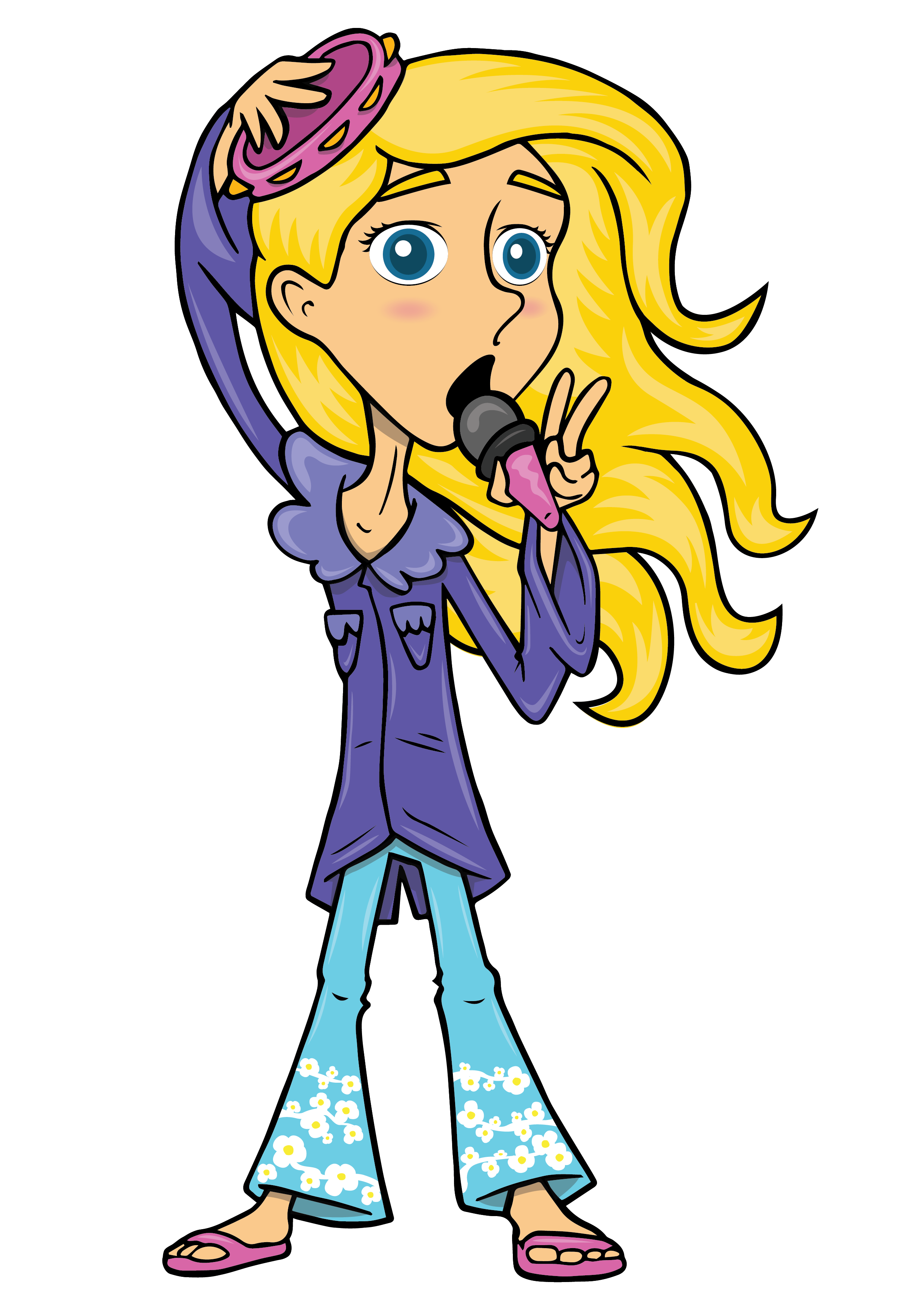
Amy
Lead vocalist
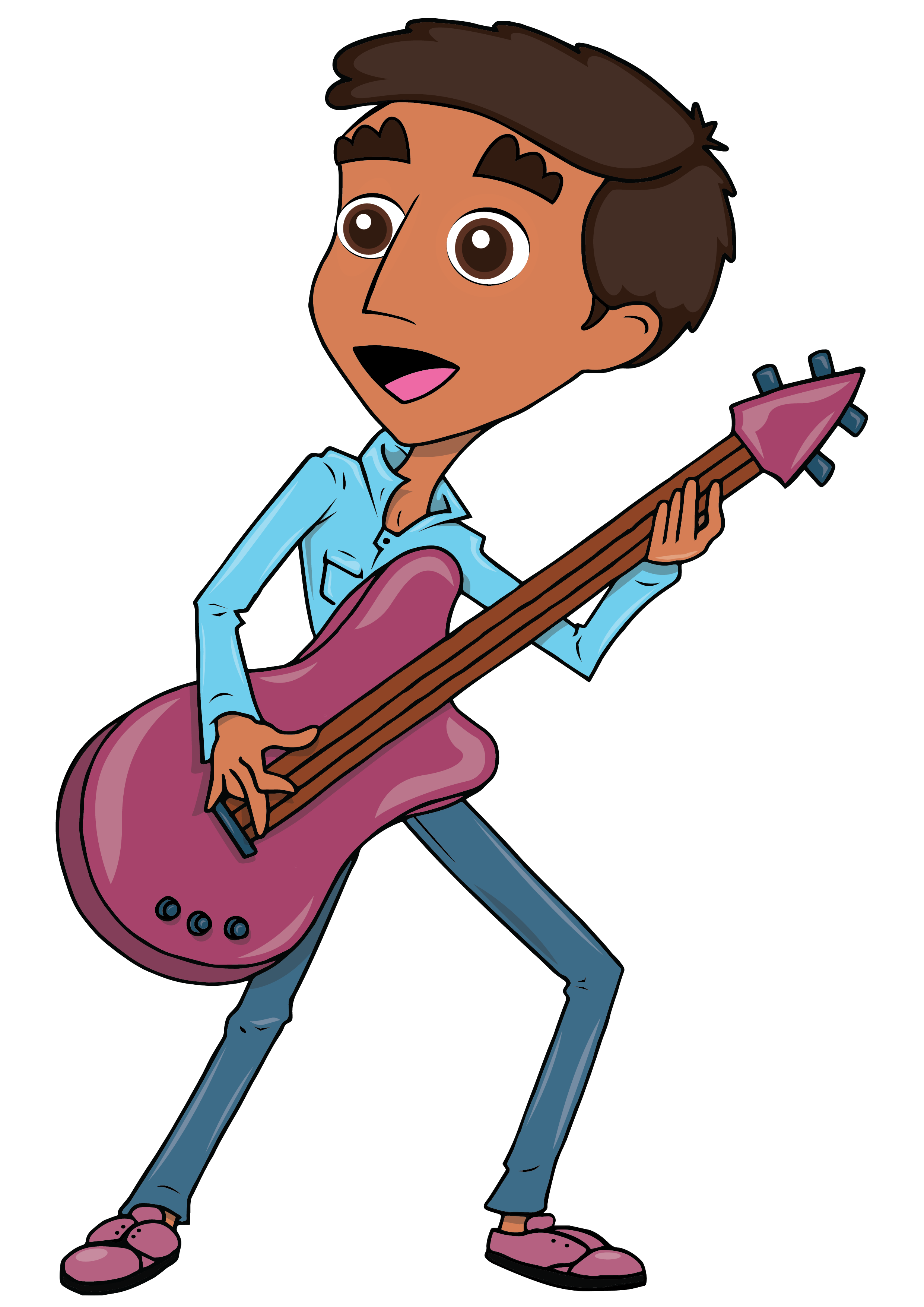
Ravi
Bass guitar
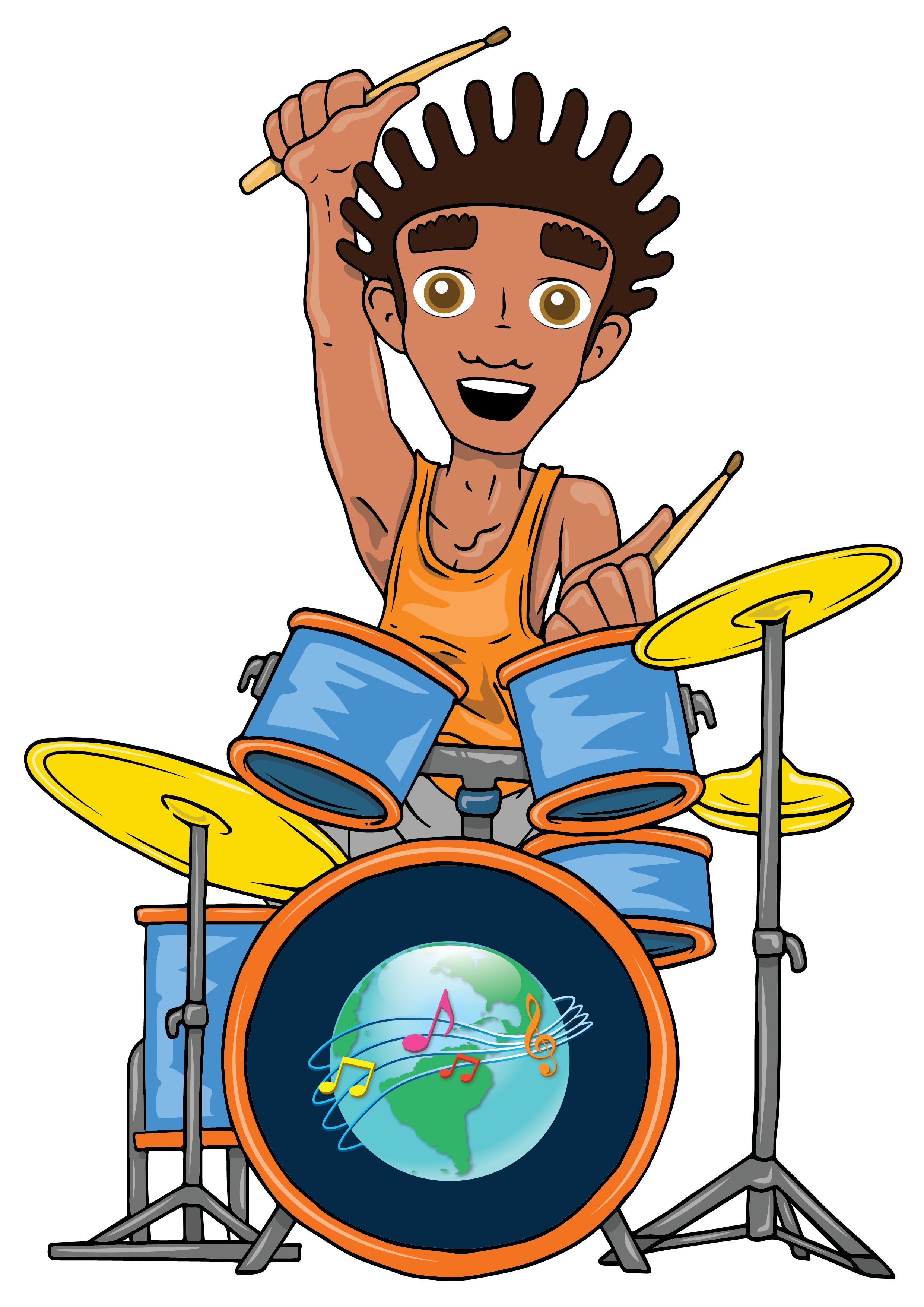
Ace
Drums
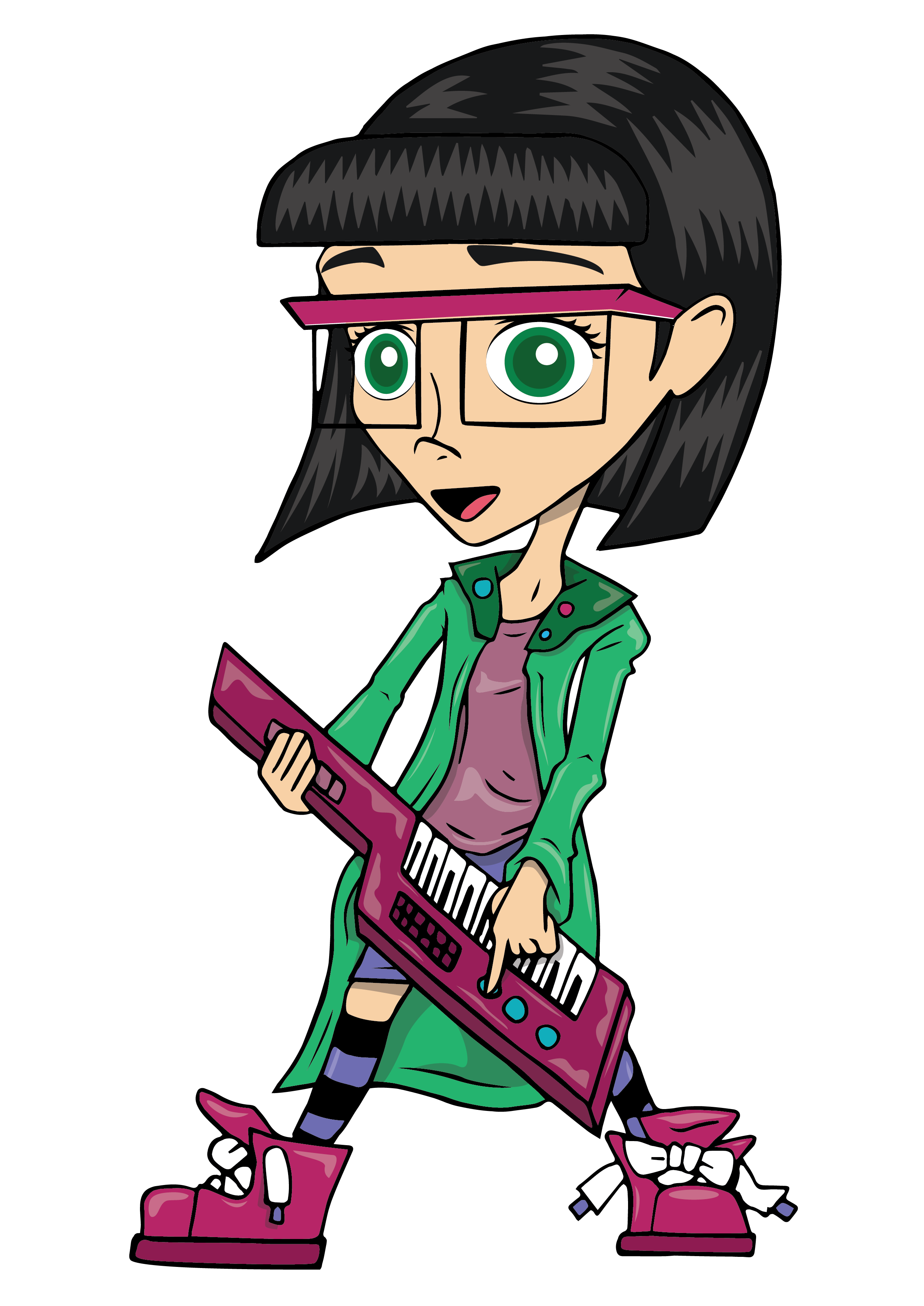
Lin
Keyboard
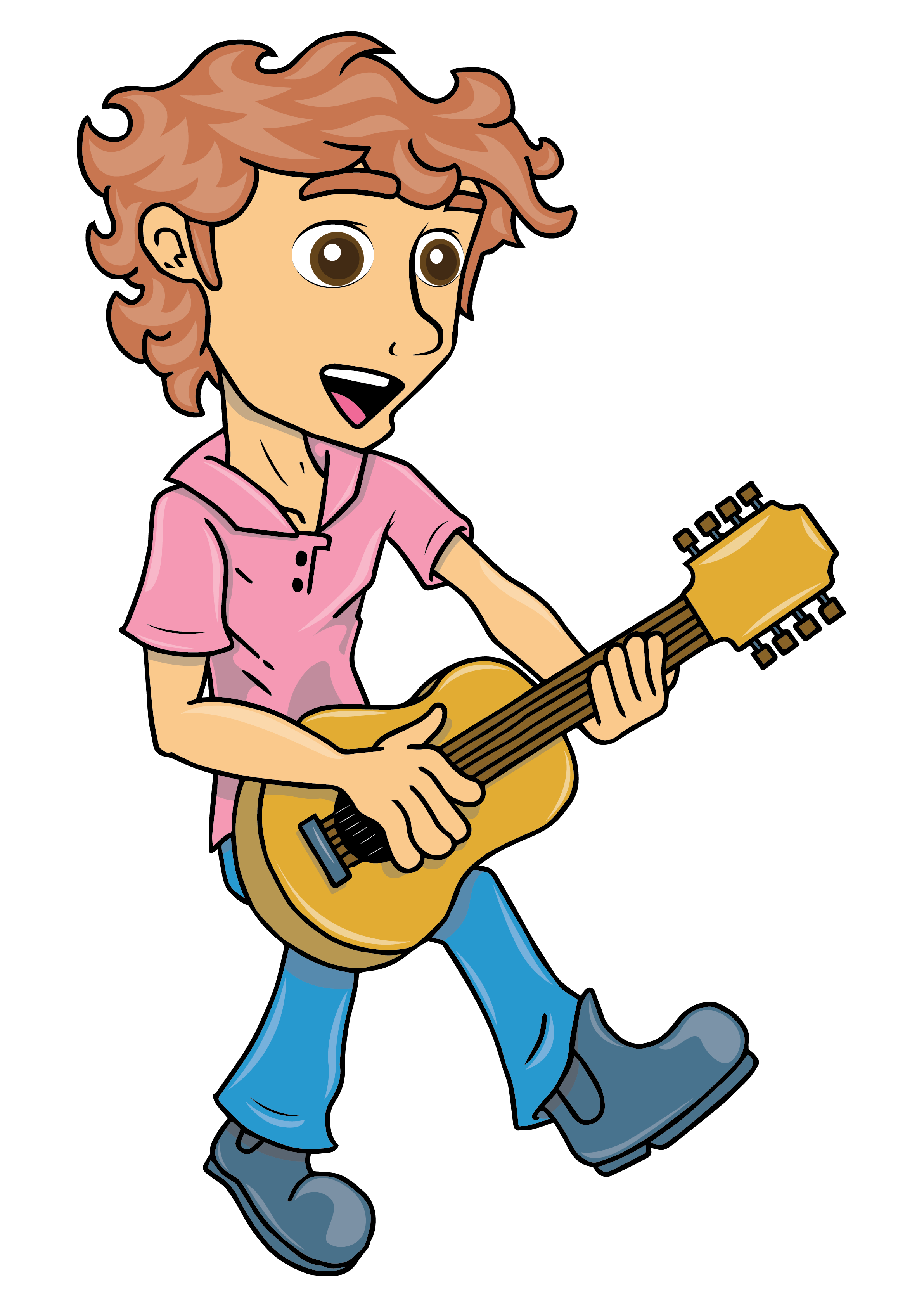
Oz
Rhythm guitar
Educators then use the interactive globe to locate the chosen country. Students might watch an animation about the country, find it on the globe and begin their quest as journalists, guided by the six questions:
- What do we want to discover?
- When did important events happen?
- Where is the country located?
- Who lives there, and what can we learn about them?
- Why are particular events, traditions or achievements important?
- How do people live, work, learn and celebrate?

Upside Down Education: start with the six questions
Upside Down Education reverses the usual order. Instead of presenting information first and asking questions afterwards, educators begin with the six questions, and students search for the answers. The questions become the starting point of the lesson rather than a test at its end.
The Learning Facilitator
This process changes the educator’s role. Educators do not need to be the expert on the topic. They become facilitators of learning who prompt, challenge and help students connect their discoveries. Students take responsibility for the investigation, and educators guide its direction.
The same six questions work for any subject, so educators can lead a class on any country without first becoming an expert on it. An educator can open the globe, choose any country and ask the six questions. The students then do the finding out. Understanding is built from what students discover for themselves, and they see that their own questions drive the learning.
Curriculum links
The process supports several areas of the curriculum at once:
Geography and Social Studies: locating countries and exploring how people live, work, learn and celebrate, using map work and digital tools.
Writing and Information Literacy: turning facts into concise reports, articles or interviews in students’ own words, and judging which sources and details are reliable.
Oracy: presenting findings clearly, listening attentively and asking thoughtful follow-up questions.
Communication and Teamwork: sharing ideas, listening to others, dividing tasks and working together to produce a group report.
UN SDG Target 4.7: building global citizenship, cultural appreciation and empathy through the study of diverse communities. Can Do Kids Worldwide supports Quality Education and related Global Goals — see our Sustainable Development Goals page.

How Can Do Kids supports the UN Sustainable Development Goals →
Sample 55-minute lesson
Introduction (10 minutes): Invite students to be journalists and ask what journalists do. Introduce the Band and the country, and locate it on the globe. Present the six questions.
Developing questions (10 minutes): In groups of two or three, students choose an area of interest, such as geography, music, culture, education or everyday life, and prepare their questions.
Finding information (15 minutes): Groups use Can Do Kids Worldwide and other suitable resources. They write short answers in their own words and decide which facts are relevant.
Presentations (10 minutes): Each group presents its key findings, and listeners respond with questions.
Review (10 minutes): The educator leads a discussion on what students learned, which questions proved most useful and what they want to discover next. Findings are then displayed as a class news board or bulletin. Recognising contributions builds confidence and encourages further enquiry.

Music, place and enquiry in one quest — the Can Do Kids Band in action
Supporting every learner
Planning: a simple journalist’s notebook with space for the six questions, answers and sources.
Support: sentence starters such as “I found out that…” and “I know this is reliable because…”.
Success criteria: “I can ask a clear question”, “I can explain my findings in my own words” and “I can say why my source is reliable”.
Without devices: use printed maps, a globe and a small set of prepared fact sheets.
Going further: interviewing amazing achievers
The same journalist mindset works when students study people as well as places. On Amazing People Schools, students can interview amazing achievers and learn from their actions. They do more than read about a person — they question them, as a journalist would, and discover what the person did, why it mattered and how they kept going when things were difficult.
Students investigating Marie Curie might ask:
- What did she discover, and where and when did she work?
- Why did her research matter?
- How did she overcome difficulties?
Students then choose how to report: a written article, a simulated interview or a news feature. This connects knowledge with human experience. Students also reflect on achievement, perseverance and personal qualities, and consider how they might apply these in their own lives.
Summary
Four applications work together to keep students active and doing:
- Can Do Kids Worldwide gives students a country to explore, and educators can lead on any country.
- Questions for Quests gives them six questions that lead to active learning.
- Upside Down Education starts every enquiry with the six questions, so that learning is organised around what students want to find out.
- Amazing People Schools lets students interview amazing achievers and learn from their actions — the same journalist habits applied to people as well as places.
Ready to try it? Open the interactive globe, choose a country with your class, and start with the six questions.
FAQs
What does it mean for pupils to work as journalists?
Students take the role of journalists for a lesson: they ask questions, find facts, check sources, write short reports and share the story. Defining the role themselves helps them own the enquiry.
What are the six Questions for Quests?
What, When, Where, Who, Why and How — the six questions that guide every country quest on Can Do Kids Worldwide, moving learning from listening to doing.
What is Upside Down Education?
It reverses the usual order: educators begin with the six questions and students search for the answers, instead of receiving information first and being tested afterwards. The educator becomes a learning facilitator.
How can teachers use Can Do Kids Worldwide for this lesson?
Introduce the Can Do Kids Band, open the interactive globe, choose any country and guide students through the six questions using platform resources in a sample 55-minute lesson.
Which curriculum areas does this support?
Geography and social studies, writing and information literacy, oracy, communication and teamwork, and UN SDG Target 4.7 on global citizenship and cultural appreciation.
Original article published on Amazing People Worldwide: Learning with Purpose: Pupils as Journalists
Classroom Activity Idea
Invite students to become journalists for one lesson. Open the Can Do Kids Worldwide globe, choose a country, and use the six Questions for Quests:
- What do we want to discover?
- When did important events happen?
- Where is the country located?
- Who lives there, and what can we learn about them?
- Why are particular events, traditions or achievements important?
- How do people live, work, learn and celebrate?
Extension: Groups present key findings as a short news report or class bulletin. Listeners ask follow-up questions, then the class decides what to discover next.