By Dr Charles Margerison, Psychologist, Amazing People Worldwide
Interactive Learning
Students live in a world overflowing with information. A single mobile phone gives them access to more knowledge than any library in history. Access alone is not enough.
Learning requires active, purpose-based engagement with the world around them. That is where www.candokidsworldwide.com comes together with AI in a powerful and timely way.
For years, education has been shaped by old-style teaching: fixed lessons, memorisation, and limited time for discussions about countries and cultures.
Students today are different. They are mobile, connected, and naturally curious. They want to explore, ask questions, and understand people and places far beyond their immediate environment.
When used well, AI helps students become curious and confident communicators. It encourages them to:
- Ask relevant questions, not just repeat information
- Become constructive thinkers — not only analysing what exists, but imagining what could be
This shift from passive learning to active exploration is essential for the next generation. It aligns perfectly with the mission of Can Do Kids Worldwide: to ignite curiosity and inspire students to explore the world around them.
Students 'Can Fly'
Can Do Kids Worldwide invites children to "embark on virtual adventures" across countries and cultures. This character-driven approach creates an emotional connection that makes learning memorable. Students do not just read about India, China, Africa, or the USA — they can experience these places virtually through the eyes and voices of young people like themselves.
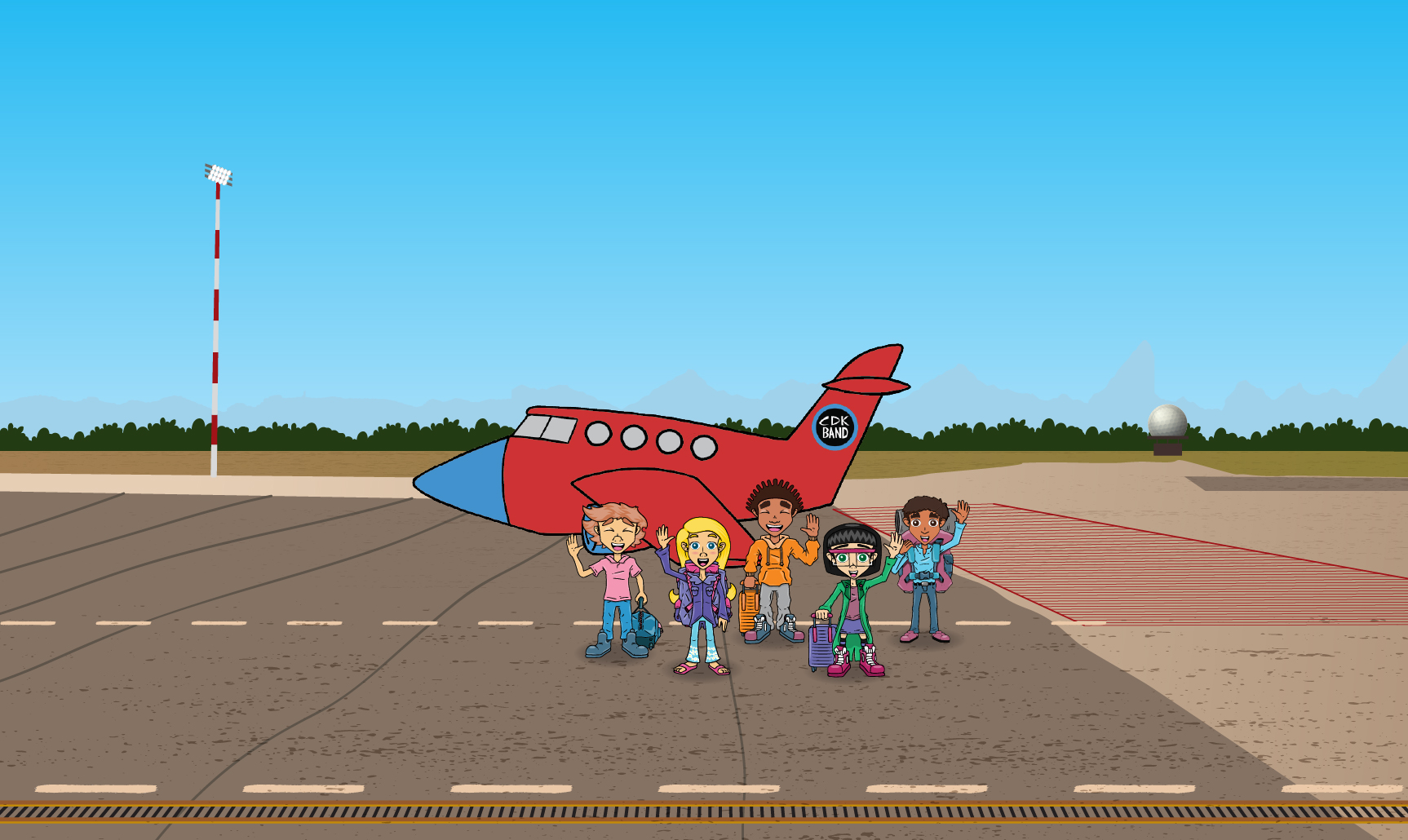
The Can Do Kids Band becomes the bridge between a child's virtual experiences and their real-world learning. These are five teenagers:
- Ravi, the brilliant bass guitarist from India
- Ace, the dynamic drummer from South Africa
- Oz, the lead-guitar adventurer from Australia
- Lin, the keyboard wizard from China
- Amy, the versatile vocalist from the USA
The Can Do Kids Band tour countries and cultures and stay at schools where local children act as their guides. Their storytelling inspires the "can do" approach to learning. The band helps students learn about people and places as they travel the world from their classroom or home.
AI amplifies this experience when students ask important questions:
- "What festivals do people celebrate and why?"
- "What is the history of this country?"
- "How is this country changing today?"
AI becomes a companion in curiosity, helping children become proactive in their learning. This is especially powerful in communities where resources are limited. As technology expands, old libraries will be replaced by mobiles and iPads. AI becomes a lifeline — a way for every child, no matter where they live, to access global knowledge and develop a broader worldview.
Parents and teachers need to become guides — supportive coaches who help students navigate new tools with confidence. They do not need to be experts, but rather to ask questions. Curiosity is something adults and children can share. Can Do Kids Worldwide supports this partnership beautifully.
Ways Students Help Each Other Learn
This happens when students are encouraged to share and compare ideas in groups based on key questions.
AI provides a way for students to gain the information needed to support their discussions.
This is how Can Do Kids Worldwide works. The Can Do Kids Band is a virtual emotional link that helps students connect with real-world understanding. They can develop a "can do, will do" mindset that prepares them for a rapidly changing world.
When combined with the creativity, storytelling, and global vision of Can Do Kids Worldwide, AI becomes a powerful tool for helping students become curious, confident, compassionate global citizens.
Can Do Kids Classroom Timetable Example
Total Time: 50–60 minutes
Topics for discussion: Geography, Culture, Music, Dance, Sport, History, Environment.
1. Introduction – 5 minutes
- Teacher introduces the country to be explored.
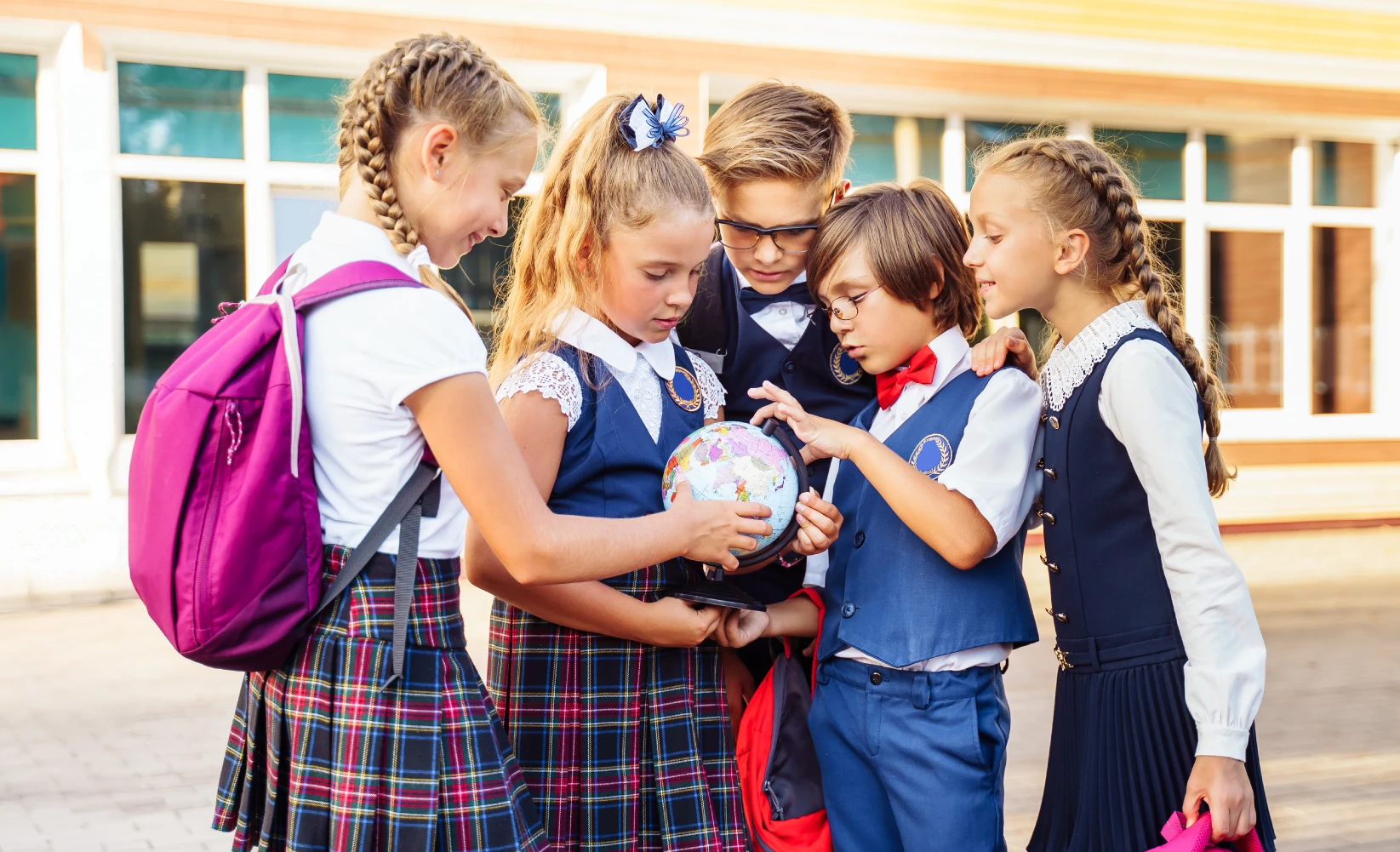
- Students locate the country on the Can Do Kids Worldwide globe at www.candokidsworldwide.com.
- Question: Has anyone visited this country, or have relatives who live there?
2. Video – 5 minutes
- Play the country video from www.candokidsworldwide.com
- Students note things they found interesting or surprising.
3. Student Groups – 15 minutes
Students work in groups of three or four. They discuss what they would like to do if they visited the country, such as:
- Food they would like to try
- Music they want to hear
- Places they would like to visit — beaches, rivers, mountains
- Animals they wish to see
Focus on developing:
- Confident communication
- Listening and responding to others
- Sharing cultural curiosity and key points to share with the class
4. Class Presentations – 15 minutes
Each group presents their ideas to the class.
5. Review – 10 minutes
The teacher provides:
- Feedback on presentations
- Highlights of strong ideas
- Suggestions for improvement
- Follow-up learning activities (e.g., writing task, drawing task, AI research questions, or a short quiz)
Students complete a quick reflection:
- "One thing I learned today…"
- "One thing I want to explore further…"
Learning Outcomes
By the end of this activity, students will be able to:
- Ask relevant, purposeful questions about people and places
- Use AI to gather information safely and constructively
- Share and compare ideas in small groups
- Communicate what they have learned through storytelling, drawing, or short presentations
- Develop a "can do, will do" positive mindset about intercultural learning
"The future belongs to curious international can do kids."
Dr Charles Margerison is a psychologist and founder of Amazing People Worldwide. He has spent decades researching how people learn and work together. His work focuses on helping students become proactive, confident, and curious learners through innovative educational resources like Can Do Kids Worldwide.
Classroom Activity Idea
Have students choose a country from the Can Do Kids Worldwide globe and work in small groups to research it using AI tools. They should prepare to answer:
- What food would you like to try there?
- What music do they play?
- What places would you visit?
- What animals live there?
Extension: Students present their findings to the class, then complete the reflection: "One thing I learned today…" and "One thing I want to explore further…"