
Every culture has its own way of honoring those who came before us. Some celebrations are spooky, some are joyful—but they all remind us what matters most: family, tradition, and staying connected across generations.
🇺🇸 United States
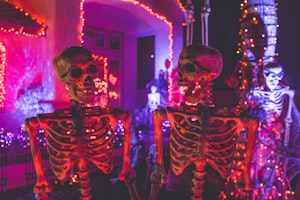
If you've ever gone trick-or-treating on October 31st, you know American Halloween is all about costumes, candy, and a bit of friendly fright. Neighborhoods go all-out with decorations—some houses are so spooky you might think twice before knocking!
The tradition of carving pumpkins actually comes from an old Irish tale about "Stingy Jack," who supposedly tricked the Devil himself. Legend says Jack was cursed to wander the earth forever, carrying only a carved turnip to light his way. Irish immigrants brought this story to America, where they discovered pumpkins were much easier to carve than turnips. And so the jack-o'-lantern was born.
When: October 31st
Kids dress up as everything from superheroes to witches, go door-to-door collecting candy, and brave the occasional haunted house. It's become the second-biggest celebration in America after Christmas—and Americans spend nearly 600 million pounds on Halloween candy each year. That's enough to fill six Titanic ships!
🇲🇽 Mexico

While Halloween tends toward the spooky side, Mexico's Día de los Muertos (Day of the Dead) takes a completely different approach. It's colorful, joyful, and deeply meaningful. Families believe the spirits of their loved ones return during this time to visit—so it's really more of a reunion than anything scary.
The tradition blends ancient Aztec customs with Catholic influences. Families build beautiful ofrendas (altars) decorated with bright orange marigold flowers, photos of those who have passed, and their favorite foods. The belief is that the strong scent of marigolds—called cempasúchil—helps guide spirits back home.
When: November 1-2
You'll also see sugar skulls everywhere, elaborately decorated with colorful icing. Families bake pan de muerto (bread of the dead), visit cemeteries to clean and decorate graves, and spend time sharing stories about loved ones. It's less about mourning and more about celebrating the lives of people who meant so much.
Students using Can Do Kids can explore Mexico's traditions in depth through our interactive country guides, including videos, quizzes, and virtual explorations of cultural celebrations.
🇮🇪 Ireland

Here's something that might surprise you: Halloween started in Ireland over 2,000 years ago. The ancient Celtic festival of Samhain (pronounced "SAH-win") marked the end of harvest and the beginning of the darker half of the year.
The Celts believed something magical happened on this night—the boundary between our world and the spirit world grew thin enough for ghosts to slip through. To protect themselves and confuse any wandering spirits, people lit enormous bonfires and wore costumes. Sound familiar?
When: October 31st - November 1st
Many Irish traditions still survive today. There's "snap-apple" (basically bobbing for apples), and barmbrack—a fruitcake with small objects hidden inside. Find a ring and you'll supposedly be married within the year. A coin means wealth is coming your way. And yes, the Irish carved jack-o'-lanterns too, though they used turnips before pumpkins became the standard.
🇨🇳 China
China has its own tradition for honoring the dead: the Hungry Ghost Festival (中元节), held during the seventh month of the lunar calendar. The belief is that the gates of the afterlife open during this time, letting spirits roam the earth and visit their families.
The whole point is to make sure these wandering spirits are well-fed and content, so they'll return peacefully to the spirit world. Families prepare elaborate food offerings and burn paper items—money, clothes, even paper smartphones these days—for the spirits to use in the afterlife.
When: 15th day of the 7th lunar month (usually August)
People float lanterns on rivers to guide spirits, and many avoid certain activities during Ghost Month. Swimming is considered risky (spirits might pull you under!), and it's not considered a good time to get married, move house, or start a new business. Nobody wants to attract unwanted spirit attention.
🇯🇵 Japan
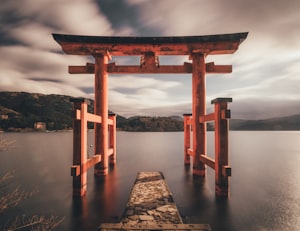
Japan's Obon festival (お盆) is a peaceful, reflective time when families honor their ancestors. The belief is that during Obon, the spirits of ancestors return home to visit their living relatives. Unlike the spookier Western approach, Obon is warm and welcoming.
Families clean their homes and visit graves to prepare for their ancestors' arrival. They light chochin lanterns to guide spirits home and perform the Bon Odori—a traditional folk dance that's become a beloved summer tradition.
When: Mid-August (or July in some regions)
One of the most charming customs involves making tiny horses out of cucumbers and cows out of eggplants. The cucumber horse helps ancestors arrive quickly for the visit, while the slower eggplant cow carries them back gently—along with all the offerings the family has prepared. At the end of Obon, families float paper lanterns on rivers in a beautiful ceremony called toro nagashi, to guide spirits back to the other world.
These are just a few of the fascinating cultural traditions students discover when exploring countries with Can Do Kids. Each of our 50+ country guides includes sections on holidays, customs, and the unique ways communities around the world celebrate together.
Quick Comparison
| Country | Celebration | When | Focus |
|---|---|---|---|
| 🇺🇸 USA | Halloween | Oct 31 | Costumes & candy |
| 🇲🇽 Mexico | Día de los Muertos | Nov 1-2 | Honoring family |
| 🇮🇪 Ireland | Samhain | Oct 31 | Ancient traditions |
| 🇨🇳 China | Hungry Ghost Festival | Lunar month 7 | Caring for spirits |
| 🇯🇵 Japan | Obon | Mid-August | Welcoming ancestors |
Things to think about
-
What's similar? All these celebrations involve remembering people who have passed away. Why do you think this matters so much across different cultures?
-
What's different? Some celebrations are spooky while others are joyful. What do you think shapes each culture's approach?
-
Your family: Does your family have special ways of remembering loved ones? What makes those traditions meaningful to you?
-
If you could visit one... Which celebration would you most want to experience? What would you be most excited to see?
Whether it's carved pumpkins, sugar skulls, floating lanterns, or folk dances—people everywhere find ways to remember those they love. These traditions remind us that connection doesn't end. It just transforms into memory, celebration, and stories passed down through generations.
Want to explore more cultural traditions from around the world? Can Do Kids gives students access to interactive guides for over 50 countries, complete with videos, quizzes, virtual tours, and classroom activities. Perfect for bringing global learning into your classroom or homeschool.
Classroom Activity Idea
Have students create a comparison chart of Halloween traditions from at least 3 different countries. They should note similarities and differences in how people celebrate.
Extension: Students design their own "global Halloween celebration" combining traditions from different cultures.