By Dr Charles Margerison, Psychologist, Amazing People Worldwide
Introduction
To succeed and overcome challenges, students need to develop constructive, positive thinking – an approach that gets things done, even when difficulties arise.
That means students understand the ways to be proactive and develop a 'can do' approach to challenges.
At the Primary School level, we are helping students do that via a virtual music group called the Can Do Kids Band.
The Can Do Kids Band
They are a group of five talented young people from different parts of the world. As they travel across the globe, the Can Do Kids Band demonstrates what it means to embrace a proactive 'can do' approach. Through their visits and explorations, they show primary students everywhere how to face challenges with confidence, curiosity and resilience.
Meet the Band Members
Amy, the versatile lead singer from the USA, inspires with her energy and passion.
Ace, the dynamic drummer from South Africa, keeps the beat going, showing the importance of rhythm and persistence.
Lin, the clever keyboard player from China, accompanies the band with the ability to play in many international styles.
Ravi, the cool bass guitarist from India, illustrates the importance of teamwork and fun.
Oz, the adventurous lead guitarist from Australia, welcomes learning from amazing experiences.
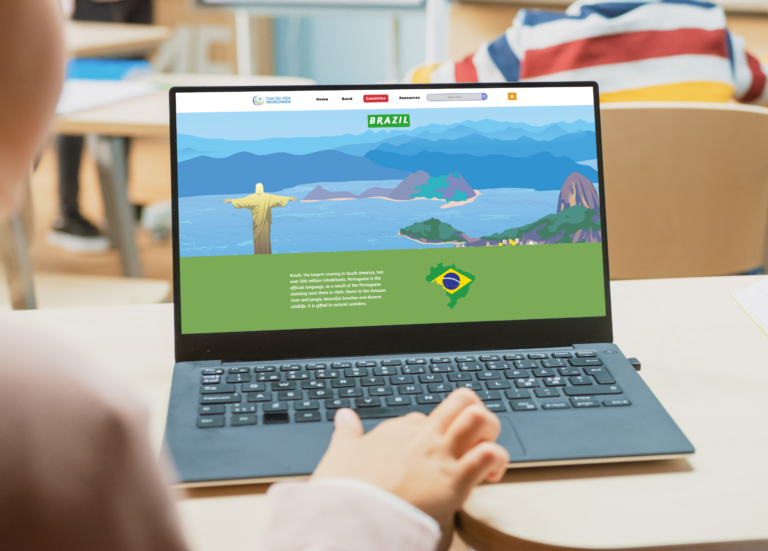
Together, they explore the food, dance, folk stories, music and ways of life from different cultures, engaging with students from countries like Brazil, Canada, France, India, Japan, Spain, China, the USA and more.
Their website showcases their inspiring journey, teaching children all over the world how to embrace new cultures, overcome obstacles and develop a Can Do mindset.
Can Do Skills for Primary Students
The Can Do approach is about taking action and actively engaging with challenges. Here are 10 key "Can Do" skills that primary students can develop:
1. Can Do: Focus
Staying focused helps students tackle their work with dedication, even when distractions arise.
Example:
Staying on task even when friends want to talk and play.
"I can focus and get this done!"
2. Can Do: Confidence
Self-belief is essential for success. Students can feel empowered to try new things and tackle difficult tasks.
Example:
Trying a challenging subject, even if it seems hard at first.
"I believe I can do this!"
3. Can Do: Patience
Progress takes time, and being patient when things do not happen immediately is important.
Example:
Continuing to work on a puzzle even when it takes longer than expected.
"I can be patient and keep trying."
4. Can Do: Effort
Success is not just about being smart; it is about determination and working through challenges.
Example:
Trying again after failing, because persistence is key.
"I can keep trying, I will not give up!"
5. Can Do: Learning
Learning from daily action helps students grow.
Example:
Reflecting on what happens and looking for better ways to act.
"I can learn and grow, even if I make mistakes along the way."
6. Can Do: Curiosity
Being curious encourages students to ask questions and explore the world around them.
Example:
Wanting to learn more about how things work, like the science behind a project.
"I am curious, and I can discover new things!"
7. Can Do: Flexibility
Life does not always go as planned, but being flexible helps students adapt and keep moving forward.
Example:
Changing plans when something unexpected happens.
"I can adapt to change and find new solutions."
8. Can Do: Problem-Solving
Learning how to solve problems builds confidence and resilience.
Example:
Thinking of different ways to approach a tricky project.
"I can figure this out, even if it is tricky."
9. Can Do: Accountability
Taking responsibility for your actions builds trust and a sense of achievement.
Example:
Taking the initiative and offering to contribute.
"I can take responsibility for my actions."
10. Can Do: Optimism
Staying positive, even when things do not go as planned, helps students continue their journey toward success.
Example:
Looking for options when facing setbacks.
"I can stay positive, and things will get better."

The Can Do Journey
The Can-Do approach involves building the right attitude to face challenges with determination, persistence and a positive outlook.
That leads to developing Can Do Skills to improve achievements both in and out of the classroom.
The Can Do Kids Band show through their travels and interactions with students from around the world that positive thinking is a key to learning.
The Can Do Kids Band – with its diverse members from the USA, South Africa, India and Australia – demonstrates the power of cooperation and the importance of embracing new experiences.
They explore the food, dance, music and stories from cultures across Brazil, Canada, France, India, Japan, Spain, China, the USA and many other countries, showing that learning from different cultures is a part of the Can Do journey.
💪 By embracing a Can Do approach, students can face challenges with resilience and develop the skills they need to succeed.
Key Takeaways
✓ The Can Do approach empowers students with constructive, positive thinking
✓ The Can Do Kids Band models proactive problem-solving through their global adventures
✓ 10 core Can Do Skills: Focus, Confidence, Patience, Effort, Learning, Curiosity, Flexibility, Problem-Solving, Accountability, and Optimism
✓ Each skill includes practical examples and positive self-talk prompts
✓ Learning from different cultures is an essential part of the Can Do journey
Learn More
To learn more about how positive thinking can empower students everywhere, visit www.candokidsworldwide.com
Ready to Develop Can Do Skills?
Join the Can Do Kids Band on their journey and help your students build resilience, confidence, and a positive mindset.
Classroom Activity Idea
Have students choose one "Can Do" skill (Focus, Confidence, Patience, Effort, etc.) to practice this week. They should track their daily efforts in a simple chart or journal.
Extension: Students share examples of when they used their chosen skill and how it helped them overcome a challenge.