Introduction
Many people have asked why I created the virtual music group named the 'Can Do Kids Band.'
The idea developed while travelling to different countries. In each new town and city that I visited, I was introduced to their sounds, songs, food, language and culture. I asked the local people about their music and they told me about their history and culture.
Therefore, I decided to develop a virtual band for Primary school students. The band play the music of the people they meet on their travels, and are exemplars of a 'can do spirit.'

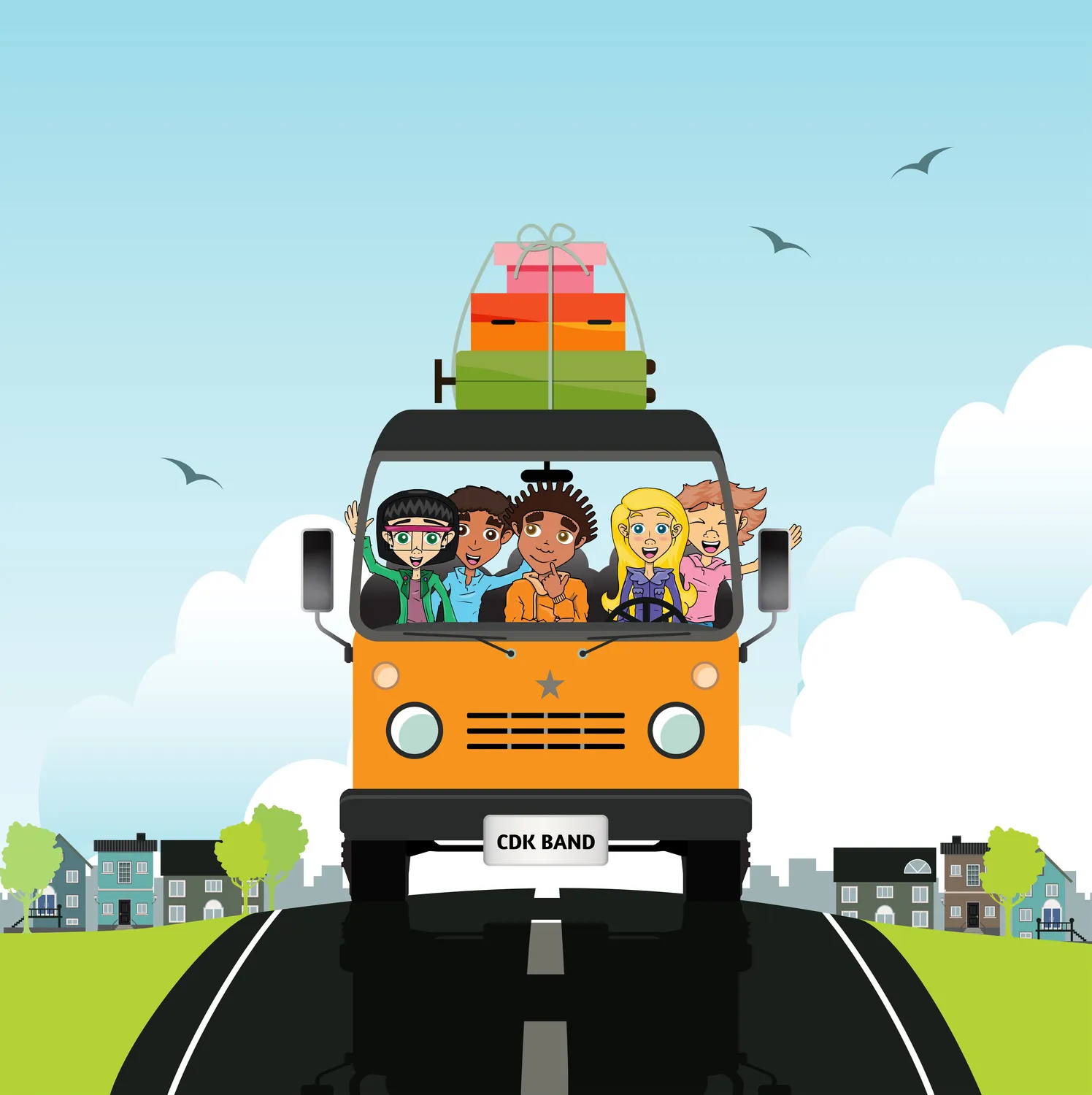
The Can Do Kids Band - ready to follow the music and learn around the world
The Band's Origin Story
Firstly, I wrote the backstory for the band to explain how five students who met at an international music camp, became friends and then band members. With the help of a manager who they call Dr Wiz, they set off on the 'Follow the Music and Learn' World Tour.
Meet the Band Members
Each band member is from a different continent:
Lin was born in China and plays the keyboard with passion.
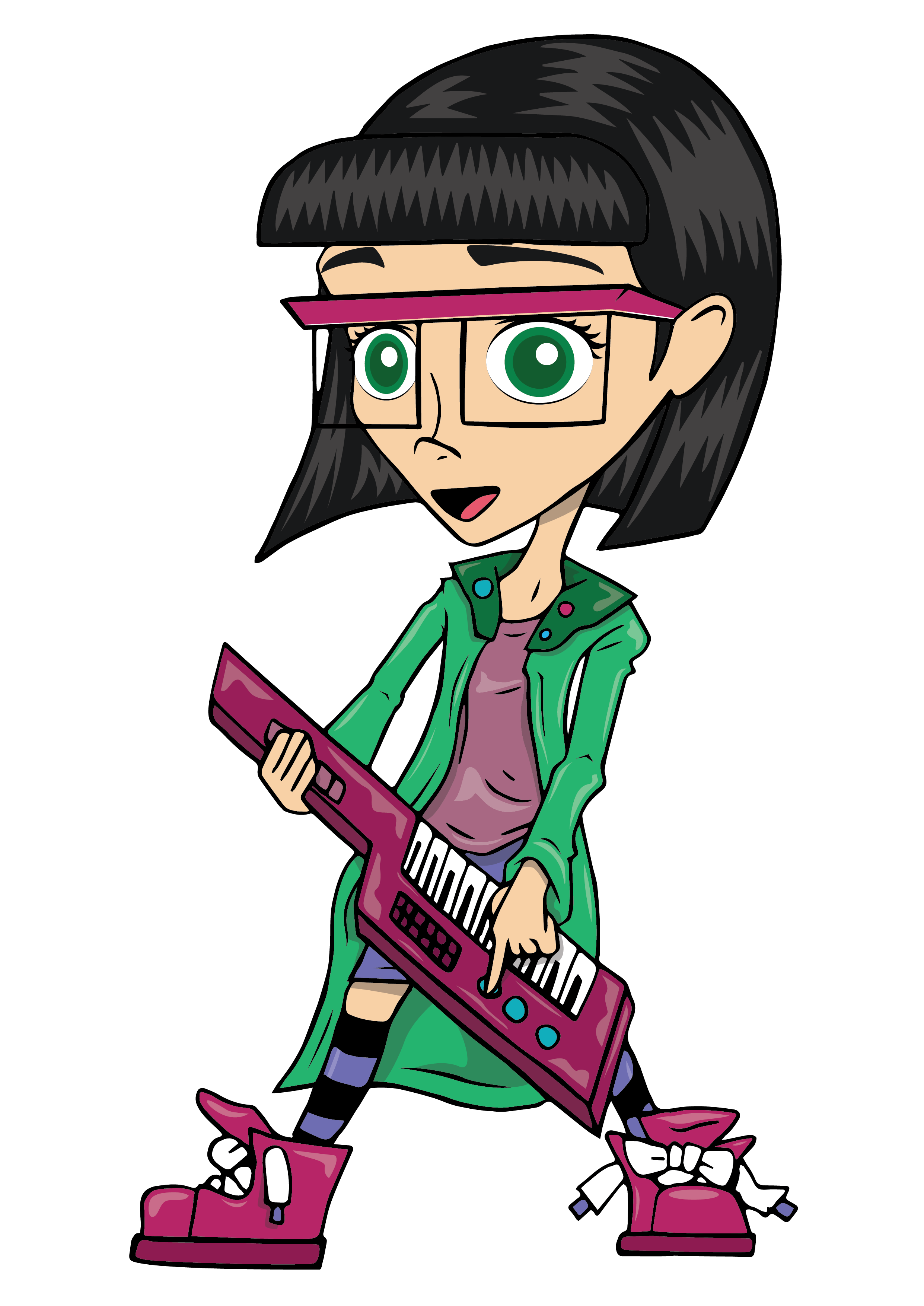
Lin from China brings passion and dedication to the keyboard
Ace hails from South Africa and excels on the drums and percussion.
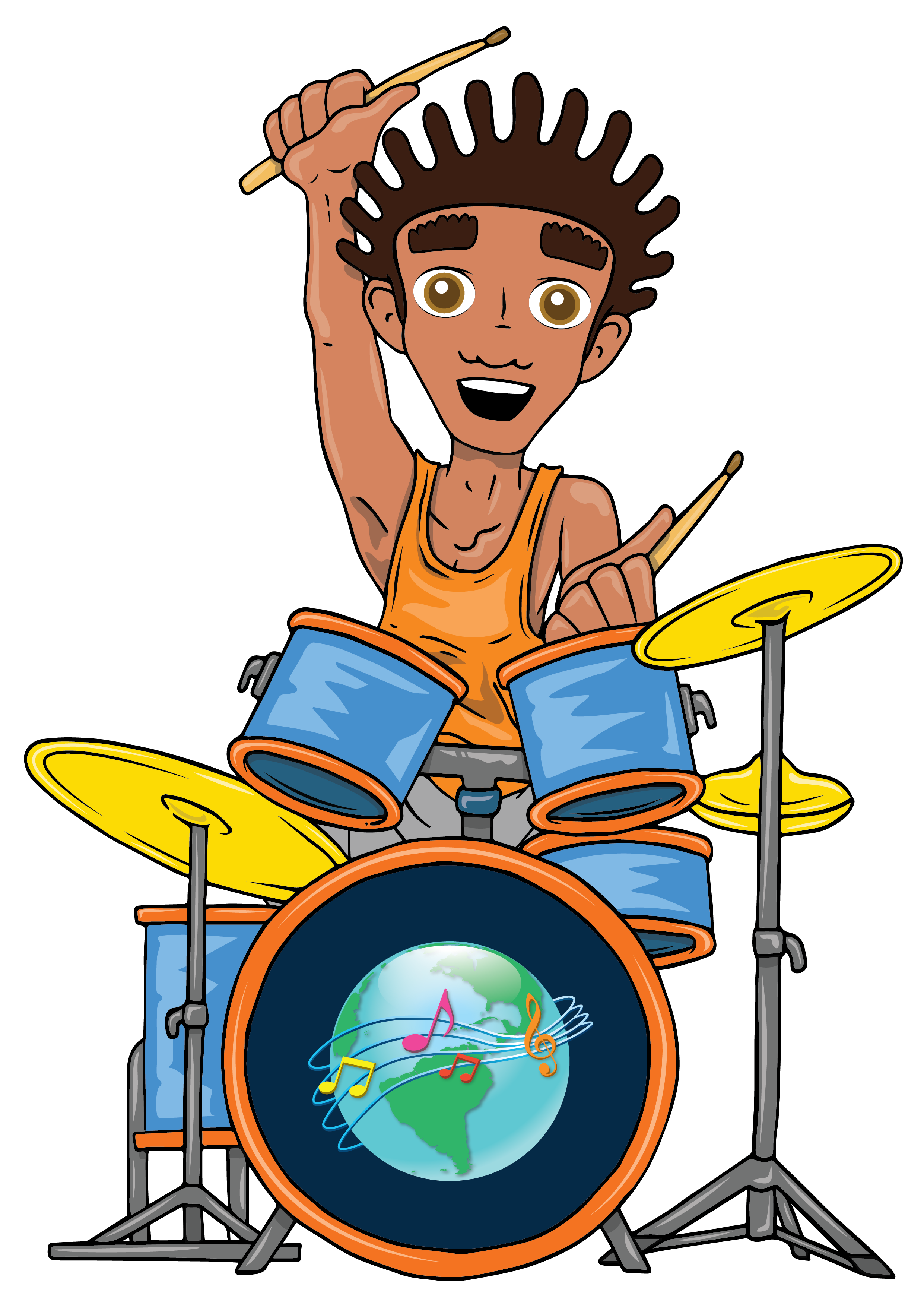
Ace from South Africa excels on drums and percussion instruments
Amy, the melodic lead singer of the band, is from the USA.
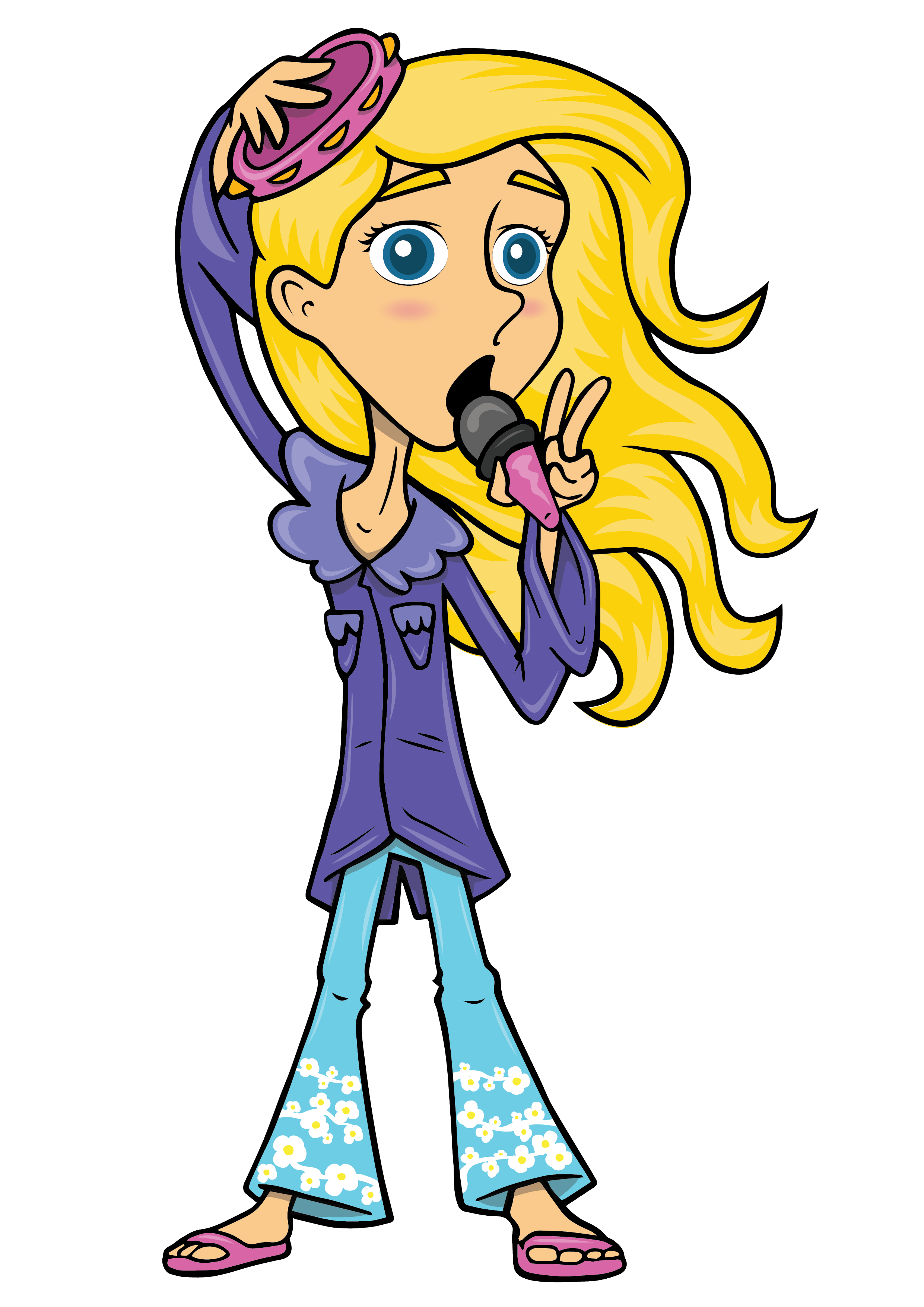
Amy from the USA brings her melodic voice as lead singer
Ravi, the bass guitarist, learned his skills in his home country of India.
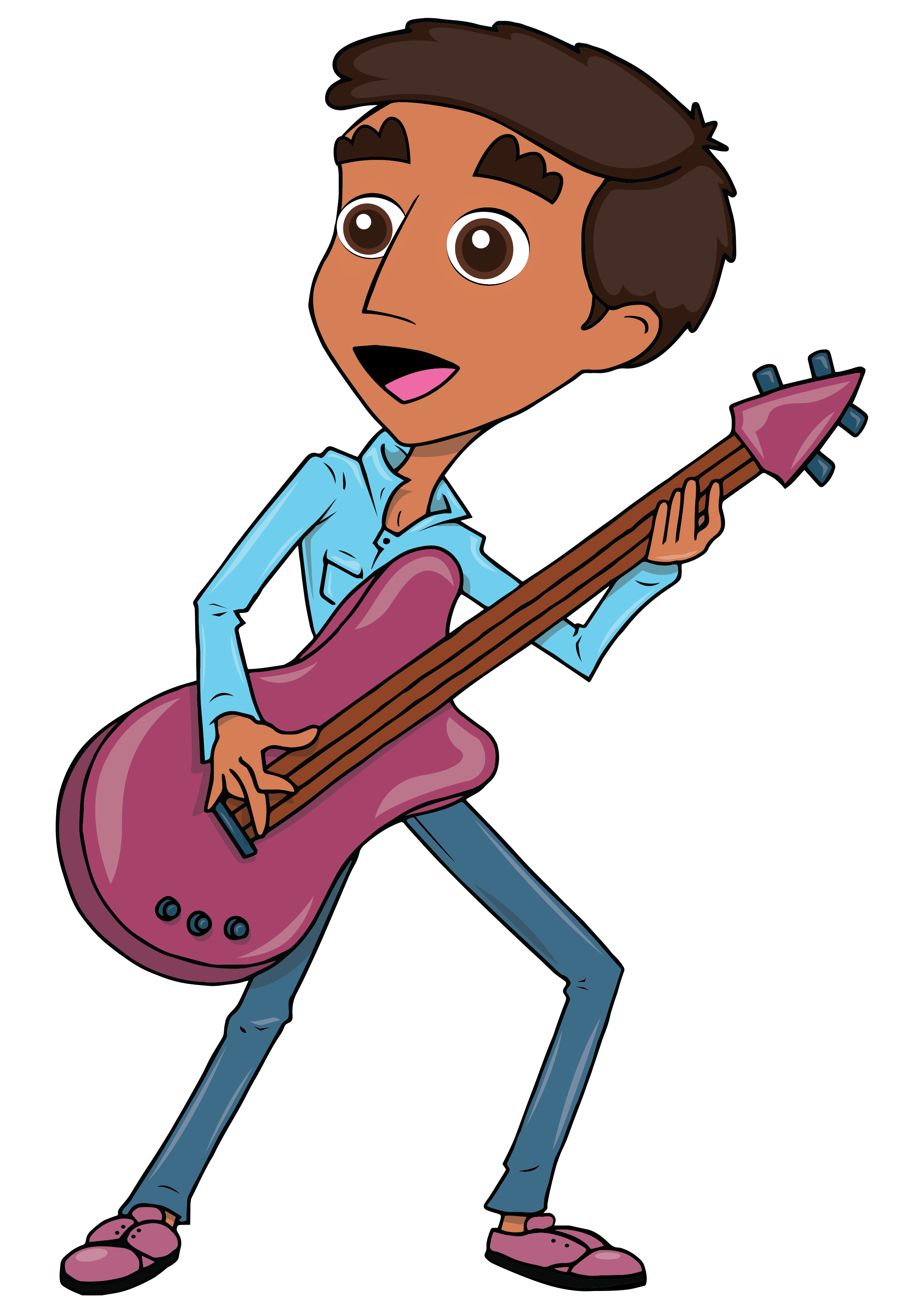
Ravi from India showcases his bass guitar skills
Oz, the outgoing lead guitarist, was born in England before relocating to Australia.
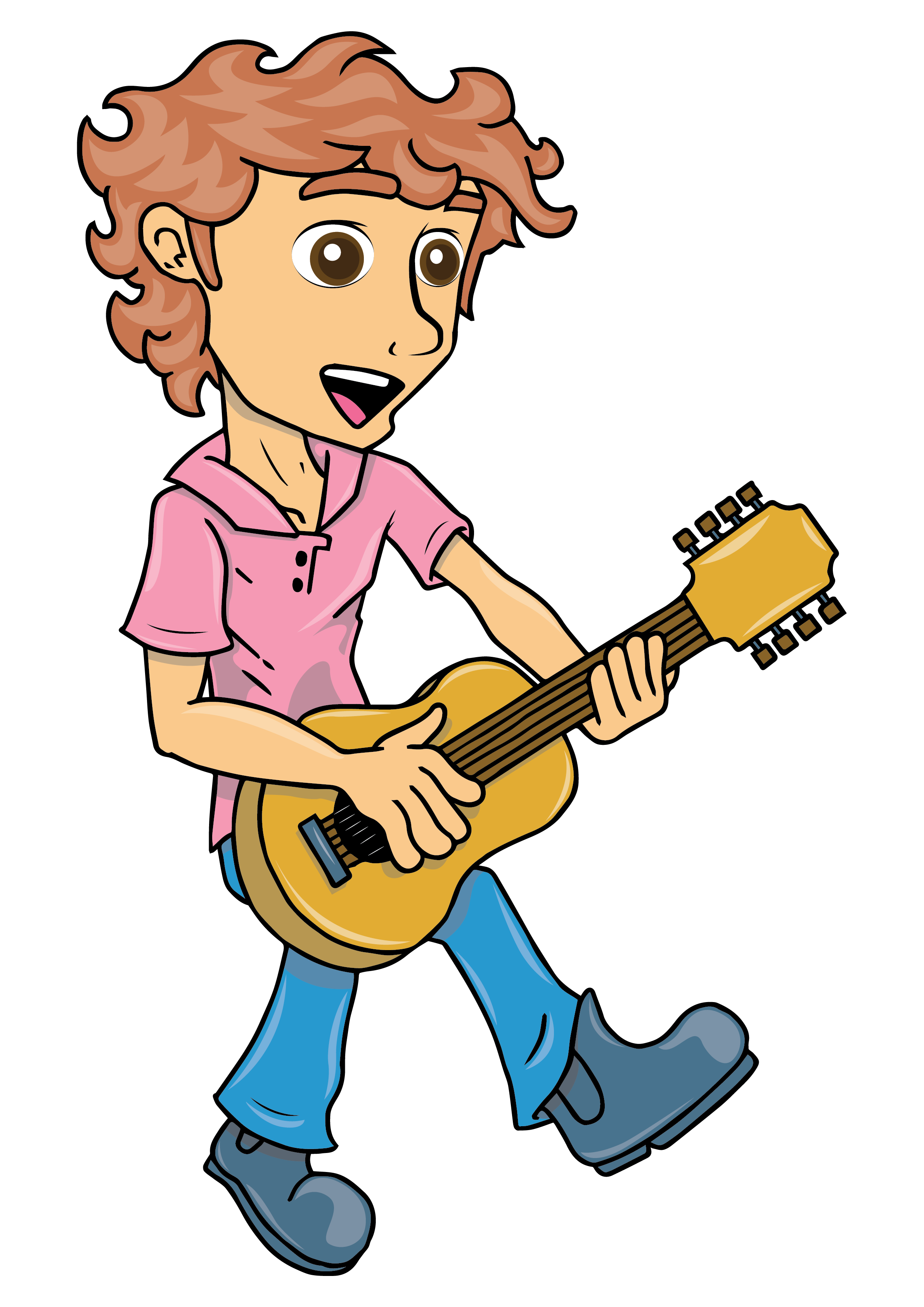
Oz from England (now in Australia) leads the band on guitar
I have enjoyed the journey of discovery that developing a virtual band has taken me on. The music of a country tells the story of its rich history as well as the customs, culture and ways of life of its people.
I believe students who join the Can Do Kids Band on their world tour, will have a similar experience.
Intercultural Education
The motto of the band is 'follow the music and learn' — about the people and places in the countries they visit.
Musical Journeys Around the World
In Brazil, they hear samba music and in Argentina they dance the tango.
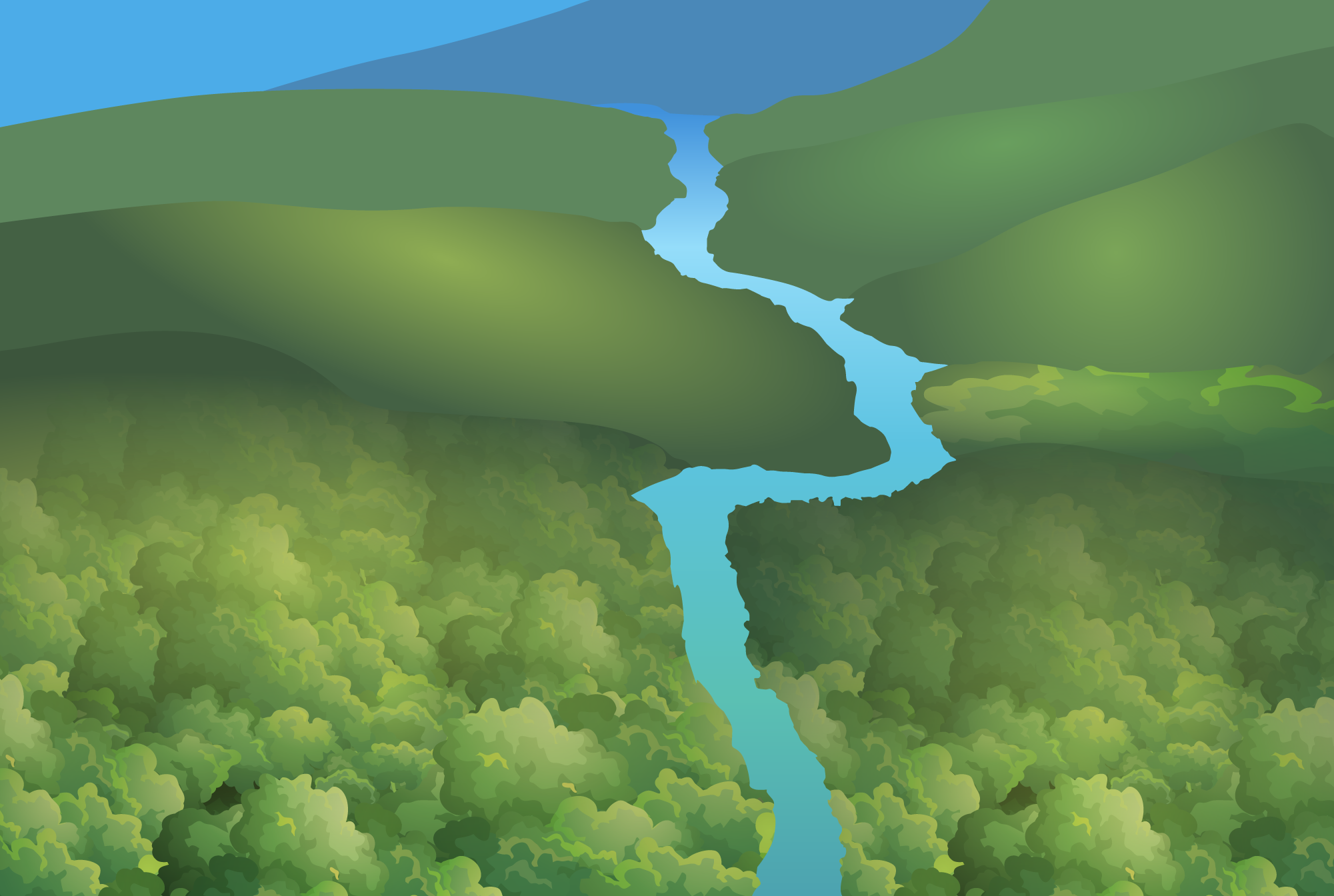
The band performs songs from around the world, engaging students with diverse musical styles
Touring through Mexico, they play with a Mariachi band.
On a visit to Australia, they have a didgeridoo lesson with an indigenous musician.
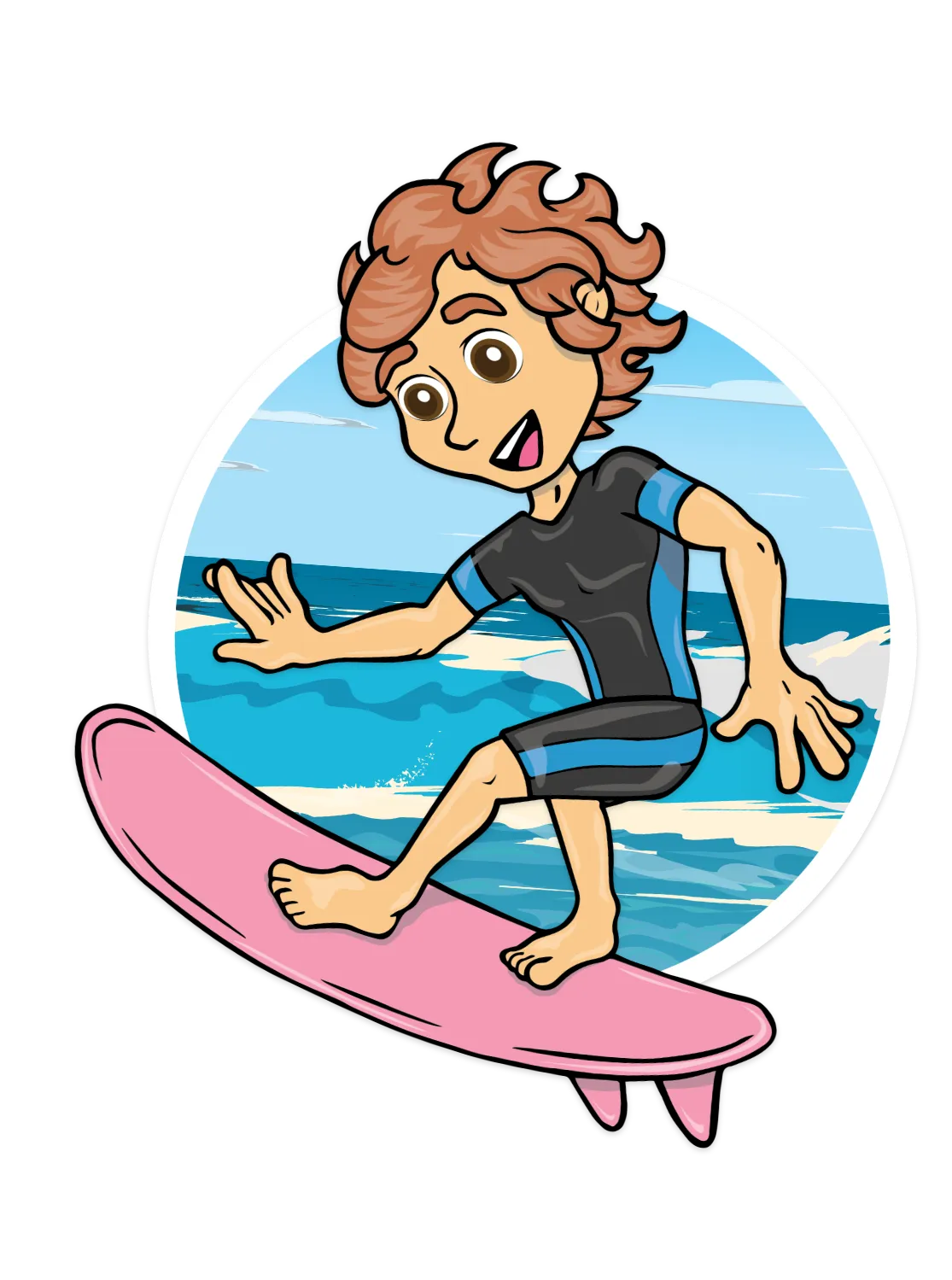
Oz from Australia shares his country's indigenous music traditions
In the Caribbean, they hear calypso music played on steel drums.
While visiting the USA, they learn about the origin of jazz music.
Amy from the USA guides students through American jazz history and culture
In Greece, they participate in the sirtaki dance.
Involvement and Participation
In discussion with teachers, I realized that these songs and styles provided an engaging way of helping students understand the ways of life in different societies. Music is used to engage, communicate and to help people express themselves. Also, dancing in all communities provides opportunities for people to interact and develop a shared identity.

Music engages students and helps them connect with cultures worldwide
The Can Do Kids Band has been designed to capture student's interest and help them understand the practical meaning of diversity. Teachers at the primary level have used the resources in innovative ways.
Real Classroom Examples
Michelle, a teacher in a Welsh school, introduced her students to understanding the people of Brazil by playing the music of the Can Do Kids. Students began to dance to the engaging rhythm of the samba. She told the children about how people live in the Amazon rainforest. Michelle then took the students to their own forest school, and showed them how to plant seeds to grow food.
Laura, a teacher in another school, used the Can Do Kids Band music to introduce a lesson on China. Through the web-based resources, the students were able to see the Great Wall, and appreciate the size of the country by tracing the major rivers on a map.

Cross-curricular learning combines geography, history, and cultural studies
In these lessons, the teachers reported that students were very engaged. There was a high level of conversation and questions about the countries and communities.
Environmental Education
In discussion with many teachers, interesting applications in a variety of subject areas have emerged. Students drew maps and images of a country to explore its geography and environment. Also, the resources provide opportunities for students to discuss the history of the people, their customs and ways of life, leading to improved cultural understanding.
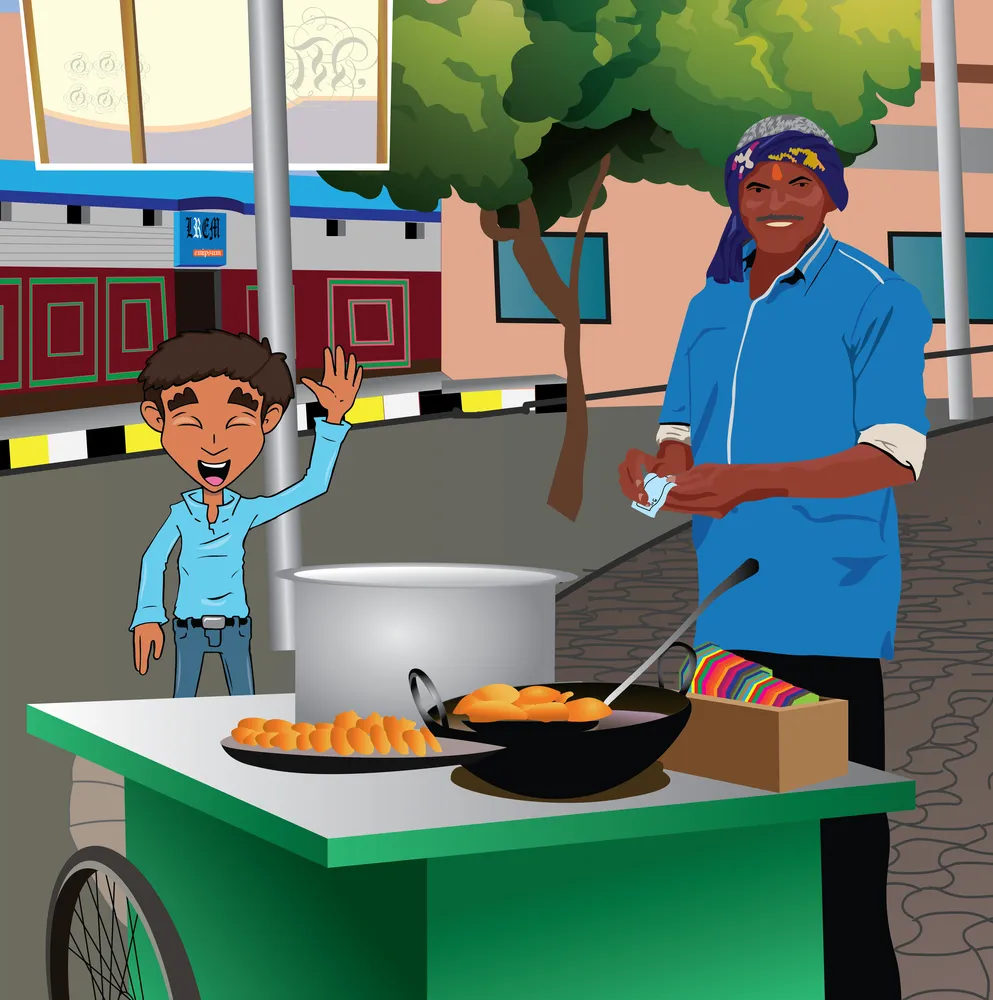
Exploring food, culture, and sustainability across different countries
Underlying all of these applications, are the styles of music and the songs that students learn.
Cultural Sharing and Comparing
The Can Do Kids Band has therefore evolved into a cross curricular way of introducing students to different ways of life, and fostering intercultural understanding. This is particularly enhanced when there are students in a class who originate from the country being studied or have relatives living there. These students have the opportunity to be 'cultural can do kids' sharing their knowledge of a country.
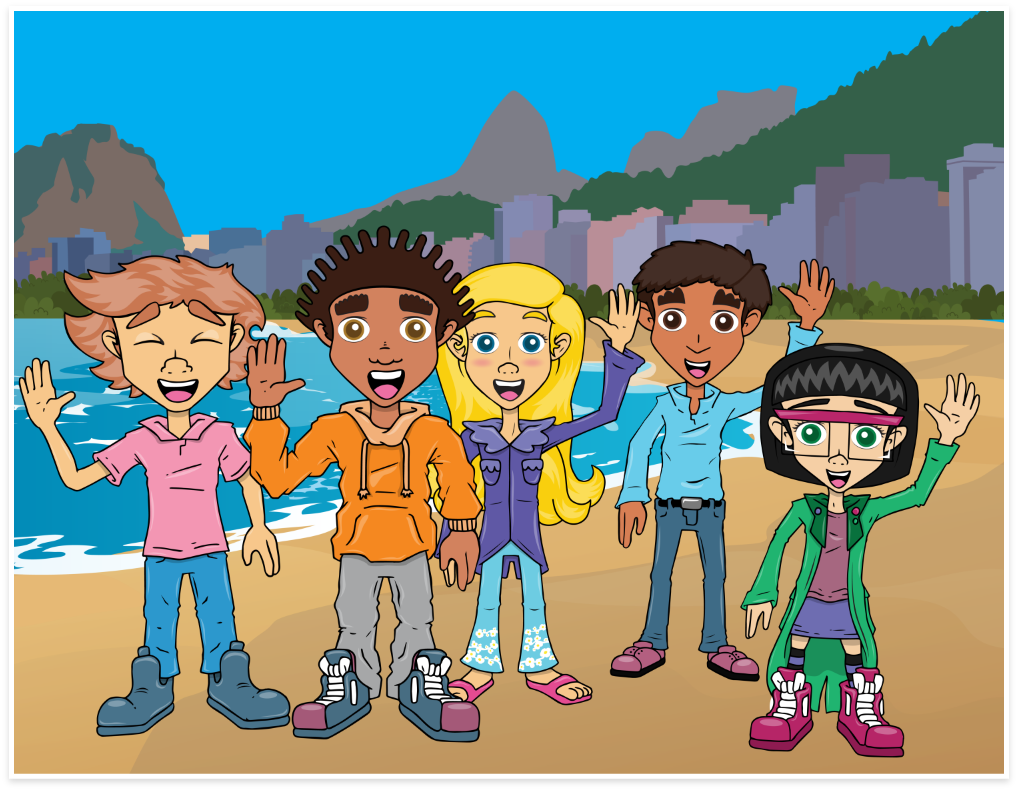
Students become cultural ambassadors, sharing knowledge from around the world
Applications
It is good to see the ways in which the Can Do Kids Band inspires students to develop their own real and virtual applications. Some students decide to form impromptu music groups and write their own song lyrics. Topics such as protecting the environment can be suggested and musical instruments can be created to play in their performance of the song.
Students can travel virtually, choosing a country and exploring the music and ways of life of its people.
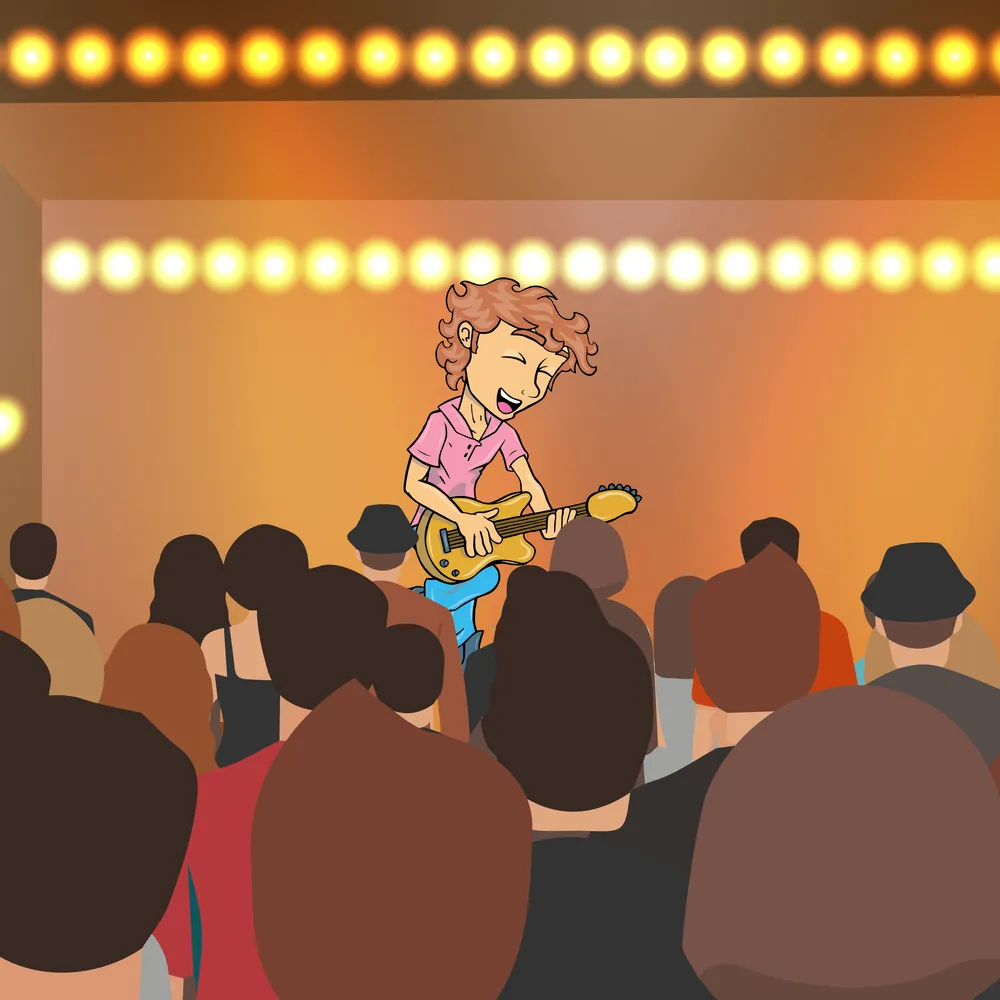
Students are inspired to create their own music and explore cultures worldwide
All of these applications help students develop a better understanding of people from other cultures and countries of our world.
Conclusion: The Power of Music in Education
The Can Do Kids Band demonstrates how music can be a powerful vehicle for cross-curricular learning. By following the band on their world tour, students:
- Develop intercultural understanding through authentic musical experiences
- Engage with geography and history in meaningful, memorable ways
- Build connections between different subjects and real-world applications
- Foster a can-do spirit that encourages exploration and learning
- Celebrate diversity while recognizing our shared humanity
The journey continues as more teachers and students discover the transformative power of learning through music and cultural exploration.
Join the Can Do Kids Band World Tour
Ready to bring cross-curricular learning through music to your classroom?
- Explore 12 countries through music, culture, and interactive activities
- Meet the band members and follow their adventures
- Access teacher resources designed for primary education
- Foster intercultural understanding in engaging, age-appropriate ways
Classroom Activity Idea
Have students explore a country from the Can Do Kids Worldwide globe and share 3 interesting facts they discover about its culture, geography, or people.
Extension: Students create a simple drawing or write a short paragraph about what they learned and present it to the class.